Screen Time vs. Lean Time

- Children today spend nearly nine hours on screens daily, limiting time for essential activities like exercising, socializing, and sleep. Prolonged screen time, especially before bedtime, can disrupt sleep due to the impact of light on the ability to fall asleep, with potential consequences for behavior, mood, memory, and attention span.
- Sleep deprivation in children can lead to ADHD-like symptoms, hyperactivity, impulsiveness, inattention, anxiety, depression, weakened immunity, respiratory issues, cardiovascular problems, and long-term academic performance decline.
- Establishing a consistent bedtime routine helps children wind down and prepare for sleep. Turning off screens at least one hour before bedtime, keeping the bedroom free of electronics, and creating a dark and cool sleeping environment are key practices to improve a child’s sleep hygiene and overall well-being.
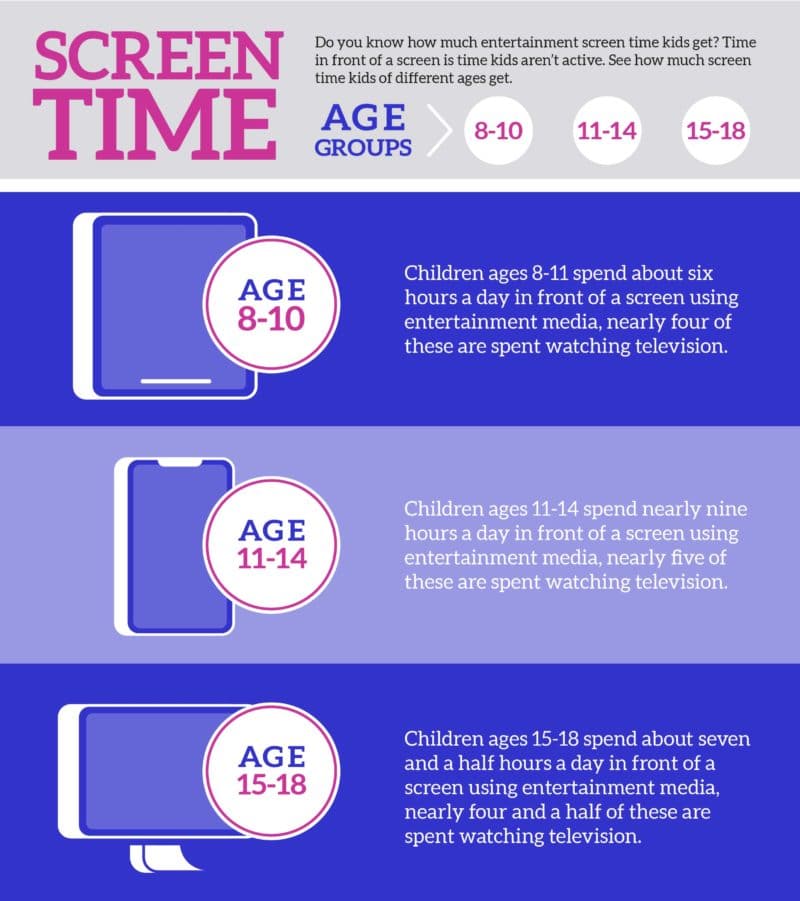
Children today spend nearly nine hours using their phones, tablets, computers, or watching TV, not including the screen time they spend for homework and school. Considering the average child’s lengthy screen time, there’s practically no time for other things, such as exercising, socializing, and sleeping.
The CDC recommends children under 18 sleep roughly eight to twelve hours a day. But with up to nine hours of screen time daily, children hardly have time to sleep properly. Also, the blue light from screens affects our ability to fall asleep, with children being particularly vulnerable to this.
It’s important to monitor your child’s screen time so they can prioritize other activities, including their sleep. The American Academy of Pediatrics finds that up to 40 percent of children have sleep problems, and children under 5 simply don’t sleep enough. Needless to say, sleep plays an important role in your child’s behavior, mood, memory retention, and attention span.
Without enough sleep, your child’s behavior may mimic ADHD symptoms, with them being hyperactive, impulsive, and inattentive. Similarly sleeping badly during early childhood is connected to anxiety, depression, a weak immune system, rhinitis, and cardiovascular issues. Sleeping badly can also diminish a child’s academic performance over time.
Encourage your child to sleep more by improving their sleep hygiene. A consistent bedtime and sleep routine will help your child wind down for the evening and prepare to sleep.
A good bedtime routine may include your child showering, brushing their teeth, and reading a book together. It’s less about the exact routine and more about teaching your child to get tired at a certain time so they fall asleep easier.
It’s crucial to turn all screens off at least one hour before bed to help your child get sleepy. Keeping your child’s bedroom free of any electronics will teach them to associate their room with going to sleep. A 2019 study found that children who kept TVs in their bedrooms had significantly shorter sleep durations than children without TVs.
Ways to help your child sleep more are by getting them a suitable mattress, keeping their room dark and cool, and limiting how many liquids they drink before bed.